
Kumbakonam degree coffee at home: the chicory ratio, the decoction and the froth
Why some filter coffee is dark and syrupy and some tastes thin, what chicory actually does, and the old reason it is called 'degree' coffee.
Team InfiniGoal·· 3 min read
Quick answer
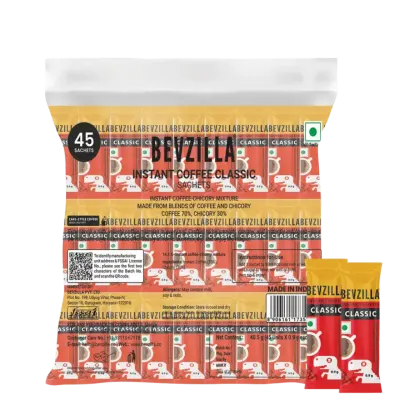
- 80 : 20 coffee to chicory is the classic filter coffee blend
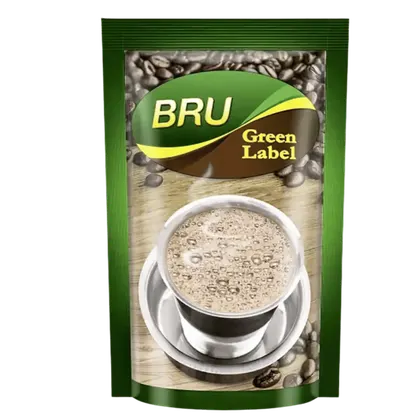
- Use 3–4 heaped tablespoons, don't press, pour water just off the boil
- A strong first decoction takes 15–20 minutes
- 'Degree' coffee is usually traced to the lactometer test for pure milk
Few things say "Chennai morning" like the clink of a davara-tumbler and the smell of fresh decoction. But ask ten families for their coffee secret and you'll get ten answers. Most of the difference comes down to three things: the blend, the decoction and the milk.
What chicory does
Chicory is the roasted, ground root of the chicory plant. It contains no caffeine. Added to coffee it gives a darker colour, a thicker body and a slightly bitter, caramel note — exactly the character of South Indian filter coffee. It also stretches the coffee so the decoction stays strong even when you add plenty of milk.
| Blend | Taste | Good for |
|---|---|---|
| 100% coffee | Brighter, more aroma, lighter body | Those who drink with less milk |
| 80 : 20 | Balanced — the classic "filter coffee" taste | Most homes |
| 70 : 30 | Darker, thicker, more bitter | Very milky coffee, strong colour |
| 60 : 40 or more | Heavy, very bitter | Rarely recommended |
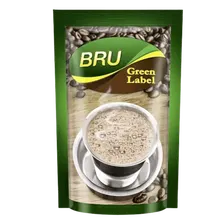
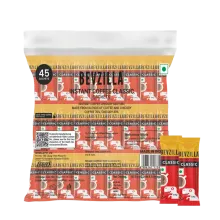
Shop from this list
Brewing a strong decoction
- Put 3 to 4 heaped tablespoons of powder in the upper chamber of the filter. Do not press it — just level it and place the umbrella-shaped presser lightly on top.
- Pour water just off the boil (not rolling boil) to the top.
- Close and leave for 15 to 20 minutes. The first decoction is the strongest — keep it for coffee and use any second pour for the next round.
Why it's called "degree coffee"
The name Kumbakonam degree coffee is usually traced to the lactometer — the instrument that measures milk purity in "degrees". Coffee shops in Kumbakonam advertised that they used only pure, undiluted milk that passed the lactometer test. "Degree milk" became "degree coffee". (Another popular story links it to the first, strongest decoction. Either way, both point to the same idea: nothing diluted.)
The froth
Mix hot milk, sugar and decoction in the tumbler, then pour from height between the tumbler and davara three or four times. The pouring cools the coffee to drinking temperature and creates the famous froth.
Is chicory bad for health?
Chicory root is commonly used in coffee blends and is caffeine-free. People with specific allergies or health conditions should check with their doctor.
What is the best coffee to chicory ratio?
80:20 is the classic South Indian filter coffee blend; 70:30 gives a darker, thicker cup for very milky coffee.
Why is my filter coffee weak?
Usually too little powder, powder that is too coarse, or water that was not hot enough. Use 3 to 4 heaped tablespoons and water just off the boil.
What does degree coffee mean?
It is commonly linked to the lactometer 'degree' test for pure milk — shops proudly used undiluted milk, so it became degree coffee.

Written by Team InfiniGoal
The people who pick, pack and deliver groceries to Chennai homes every day. We write from what our customers buy, ask and cook — and update articles when we learn more.
Last updated 30 Oct 2026
Keep reading
- Health & millets
Health & millets · 4 min read
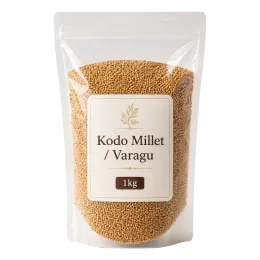
Thinai, samai, varagu, kuthiraivali: the Tamil millet names finally explained
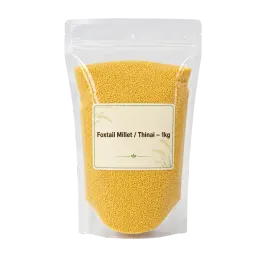
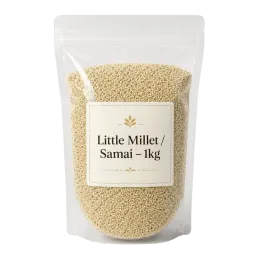
Foxtail is thinai, little millet is samai — but which one replaces rice, which one makes the best dosa, and why should you soak them? The guide every Chennai kitchen needs.
9 Nov 2026
- Spices & masalas


Spices & masalas · 3 min read
Kalpasi and marathi mokku: the two spices that make Chettinad food taste like Chettinad
You followed the recipe exactly, but the curry still doesn't taste like the one in Karaikudi. The missing piece is usually two humble spices most shoppers have never heard of.
7 Nov 2026
- Spices & masalas

Spices & masalas · 3 min read
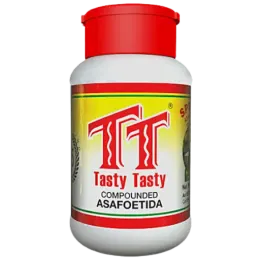
Perungayam decoded: why your hing comes in a yellow powder, a block and a tiny box
That spoon of perungayam in sambar and rasam is doing more than you think. Here is what is really in the packet — and why a pinch of the right one beats a spoon of the wrong one.
4 Nov 2026