
Soft idlis every time: the science of the batter, the ratio and the ferment
Flat, hard idlis almost always come down to the rice, the dal, the water temperature and the ferment. Here is what is happening inside the batter — and how to fix it.
Team InfiniGoal·· 3 min read

Quick answer
- 4 : 1 idli rice to whole urad dal in a wet grinder, 3 : 1 in a mixer
- Grind the dal with ice-cold water until it floats
- Fenugreek helps fermentation and softness
- In Chennai weather batter usually ferments in 8–12 hours
A plate of soft, white idlis is the most ordinary thing in a Tamil home — and one of the easiest to get wrong. Understanding what happens inside the batter makes perfect idlis predictable.
What makes an idli rise
Idli batter is leavened entirely by natural fermentation. Wild lactic acid bacteria and yeasts — present on the grains, in the air and on your hands — feed on the starches and produce carbon dioxide. The whipped urad dal traps that gas like the foam in a cake, and steaming sets it. No baking soda needed.
That means three things matter most: the dal's ability to hold air, the warmth of the room, and time.
The rice and the dal
- Idli rice (parboiled, short grain) grinds slightly coarse and gives idlis their body. Meal rice makes them dense and sticky.
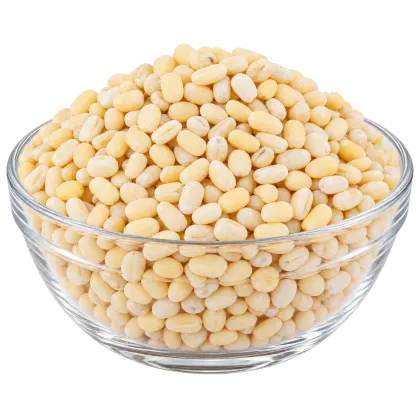
- Whole white urad dal whips up lighter than split dal because it has more of the proteins and mucilage that trap air.
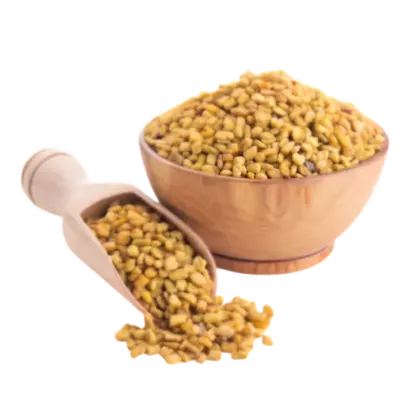
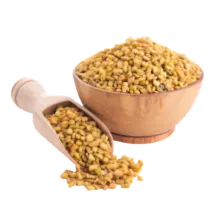
- Fenugreek seeds soaked with the dal help the batter ferment better and give a softer, fluffier result plus a subtle aroma.
Shop from this list

The ratio
| Grinder | Idli rice | Whole urad dal | Fenugreek |
|---|---|---|---|
| Wet grinder | 4 cups | 1 cup | 1 tsp |
| Mixer-grinder | 3 cups | 1 cup | 1 tsp |
| Extra-soft (hotel style) | 3 cups + 1 handful poha (aval) | 1 cup | 1 tsp |
A mixer heats the batter and can't whip the dal as well as a stone grinder, so it needs a little more dal.
Grinding: the cold-water rule
Grind the dal first with ice-cold water, a little at a time, until it is glossy and almost doubled in volume. Heat from the motor kills the fluffiness, so cold water matters, especially in a mixer.
Fermenting in Chennai weather
Chennai's warmth is an advantage: most batters ferment in 8 to 12 hours. In very hot months it can be ready in 6 hours — and over-fermented batter turns too sour and spreads flat. On cooler, rainy days, keep the batter in a closed oven with only the light on.
Steaming
Choosing the rice matters too — see which rice suits which dish.
Fill moulds three-quarters, steam 10 to 12 minutes on medium heat, rest one minute, then unmould with a wet spoon.
Shop from this list

Why are my idlis hard?
Usually too little urad dal, dal ground with warm water, the wrong rice, or batter that did not ferment long enough.
Why did my idli batter not rise?
The room may have been too cold, the dal under-ground, or too much salt added. Keep it somewhere warm and give it more time.
Should I add salt before or after fermenting?
In warm Chennai weather many cooks add salt before fermenting to slow it slightly; in cold weather add it after.
Can I add baking soda to idli batter?
It is not needed if the batter is well fermented, and it can affect taste. Proper grinding and fermentation do the job.

Written by Team InfiniGoal
The people who pick, pack and deliver groceries to Chennai homes every day. We write from what our customers buy, ask and cook — and update articles when we learn more.
Last updated 23 Oct 2026
Keep reading
- Health & millets
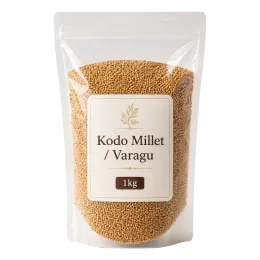
Health & millets · 4 min read
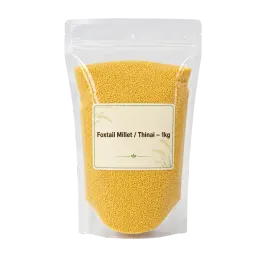
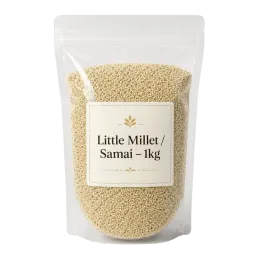
Thinai, samai, varagu, kuthiraivali: the Tamil millet names finally explained
Foxtail is thinai, little millet is samai — but which one replaces rice, which one makes the best dosa, and why should you soak them? The guide every Chennai kitchen needs.
9 Nov 2026
- Spices & masalas

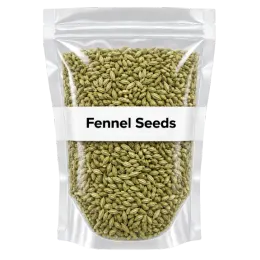

Spices & masalas · 3 min read
Kalpasi and marathi mokku: the two spices that make Chettinad food taste like Chettinad
You followed the recipe exactly, but the curry still doesn't taste like the one in Karaikudi. The missing piece is usually two humble spices most shoppers have never heard of.
7 Nov 2026
- Spices & masalas
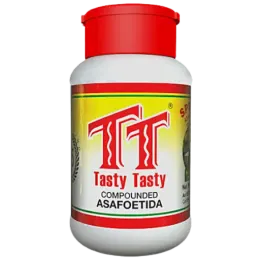

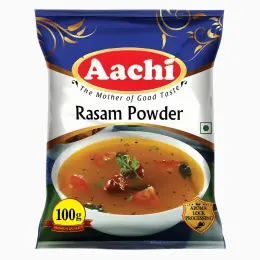
Spices & masalas · 3 min read
Perungayam decoded: why your hing comes in a yellow powder, a block and a tiny box
That spoon of perungayam in sambar and rasam is doing more than you think. Here is what is really in the packet — and why a pinch of the right one beats a spoon of the wrong one.
4 Nov 2026